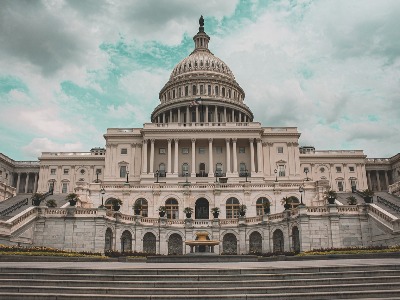
Media reports indicate that the U.S. Senate Finance Committee plans to save costs by amending Medical Assistance (Medicaid) and possibly including the Medicare program. This version may differ in several key aspects from the original bill that nearly passed in the House in May. Analysts believe that once the revised draft is published, it is likely to trigger a new round of tug-of-war between fiscal conservatives and moderates.
Media reports indicate that Republican senators in the U.S. plan to present a revised version of their $3 trillion tax reform bill to President Trump this week, aiming to pass the bill before the July 4th Independence Day.
According to reports, the Senate Finance Committee is planning to save costs by amending Medicaid and possibly including Medicare. This version may differ in several key aspects from the original bill that nearly passed in the House in May. Analysts believe that once the draft of the amendment is released, it will likely trigger a new round of tug-of-war between fiscal conservatives and moderates.
 Businesses in sectors such as energy, medical, manufacturing, and financial services are closely monitoring developments this week. According to a White House official, key members of Congress are expected to meet with Trump administration officials responsible for advancing tax legislation on Thursday to discuss relevant topics.
House Speaker Mike Johnson stated to the media at the White House on Monday that he believes the Senate can complete the legislation before July 4th, even though the time left for negotiations is very limited. He added that House Majority Leader John Thune is also optimistic about this timeline.
The SALT dilemma and corporate tax cuts may become permanent.
According to reports, Thune, House Finance Committee Chair Mike Crapo, and other members are facing a key decision on how to handle the state and local tax (SALT) deduction limit. The provision in the House bill increases the limit from $0.01 million to $0.04 million, which is one of the key factors for the bill's passage and applies to taxpayers with an annual income below $0.5 million. Meanwhile, Senate Republicans want to reduce the cost of this measure, which is currently estimated at $350 billion.
Johnson and Republican members from high-tax states warn that any weakening of the SALT deduction limit increase will lead to the bill being rejected in the House's final vote. Meanwhile, so-called 'pass-through businesses' in the service industry are demanding the removal of a provision in the House bill that restricts their ability to claim SALT deductions.
In addition, the new version is widely expected to propose making three corporate tax deductions permanent, which were set to expire after 2029 in the House version, including deductions for research and development expenses, interest expense deductions based on depreciation and amortization, and 100% immediate asset depreciation (covering most machinery and plant equipment). Analysis indicates that both the manufacturing and Banking sectors especially hope these three incentives will be permanently retained.
To pay for these popular tax cuts, considered by most economists to have the greatest potential for economic growth, the Senate may cut temporary relief measures for tips and overtime income. Trump attracted employees from the dining and hotel industries with these measures during last year's campaign. The White House hopes to keep these provisions unchanged.
White House economic advisor Kevin Hassett stated that Trump 'supports modifying' the SALT deduction rules, but whether changes occur depends on whether Congress can reach a consensus. Hassett told the media.
'This is a game between the two houses of Congress. The President's only requirement is: this bill must be passed by July 4.'
The committee also needs to make tough decisions regarding green energy tax credits. Cutting these credits in the House bill could save nearly 600 billion dollars.
Division between conservatives and moderates.
Last Friday, various factions within the House issued conflicting statements.
The conservative 'House Freedom Caucus' warned that if the Senate attempts to restore some of the green energy tax credits, the caucus would vote against the bill.
Relatively, 13 moderate Republican lawmakers, led by Pennsylvania Representative Brian Fitzpatrick and Virginia Representative Jen Kiggans, have written to the Senate urging modifications to preserve many renewable energy projects established by Biden's Inflation Reduction Act (IRA) in Republican districts.
We are deeply concerned about several provisions, especially those that terminate just 60 days after the bill takes effect, applying to projects that have not yet started.
The banking sector is also highly concerned about how the bill may impact the tax credit assets they hold in renewable energy financing, fearing that these assets may become worthless.
Medical reform risks.
The new draft version includes the most controversial cuts related to Medicaid and Medicare. Although Republicans generally support imposing work requirements for able-bodied adults to continue receiving Medicaid coverage, some moderates, including Alaska Senator Lisa Murkowski, are concerned about only giving states a year and a half to implement these.
The bill also includes provisions for new out-of-pocket costs (co-pays) for Medicaid beneficiaries and restrictions on states' ability to raise federal subsidies through taxation, which are also quite controversial. Missouri Senator Josh Hawley and West Virginia Senator Jim Justice have publicly opposed these.
To offset the fiscal gap that might arise from deleting these provisions, Republicans stated last week that they are assessing whether limits should be placed on billing behavior within Medicare Advantage. This health insurance is operated by large health insurance companies, and if affected, the insurance industry would be the first to bear the brunt.
Despite the ongoing controversies, Republican leadership has stated that legislative work is proceeding as planned and expects most of the content in the House bill to be retained in the Senate version.
Currently, the Senate is reviewing certain provisions to determine if they comply with budget rules and if they relate to major financial content. If not, they may be deemed invalid. Such provisions include: limiting state government oversight of Asia Vets, repealing certain gun control measures, and restricting the authority of federal courts.
Nevertheless, Republican members of Congress generally follow Trump's directives and support this $3 trillion tax reform bill, which is at the core of the White House's economic agenda.
 Want to learn more about market analysis?Ask Futubull AI!Providing precise answers, comprehensive insights, and grasping key opportunities!

Editor/Rocky