
Impacted by the shock of artificial intelligence on the technology sector, soaring oil prices, and rising U.S. Treasury yields, the U.S. high-yield bond market experienced its worst quarter since 2022, with a quarterly return decline of 1.1%. The technology sector led the losses, while energy bonds moved in the opposite direction. Market participants believe that the current adjustment represents an orderly reset, with limited risk of large-scale defaults, fundamentally different from the situation in 2022.
The U.S. high-yield bond market is experiencing its most challenging quarter in nearly four years. The impact of artificial intelligence on the technology sector, surging oil prices, and rising U.S. Treasury yields have collectively dampened investor risk appetite.
Bloomberg data as of March 31 shows that the U.S. high-yield bond market recorded a quarterly return decline of 1.1% as of Monday's close, with the lowest-rated CCC-grade bonds suffering the deepest drop at 1.85%. This marks the first negative quarterly return for high-yield bonds since the second quarter of 2022, when such assets plummeted by 9.8% in a single quarter.
 Market participants widely agree that this downturn is fundamentally different from the situation in 2022. The current economic fundamentals are more robust, and the Federal Reserve is expected to maintain stable interest rates or pivot to rate cuts within the year. Multiple analysts stated that the risk of large-scale defaults remains limited, with market adjustments reflecting an orderly reset rather than panic selling.
The technology sector led the declines, while energy bonds strengthened against the trend.
The decline in high-yield bonds this quarter was primarily driven by the technology sector. Bloomberg data indicates that returns on high-yield technology bonds fell by over 3.4% this quarter, with software company bonds particularly affected by expectations of disruption caused by artificial intelligence. However, Barclays credit strategist Corry Short noted that the technology sector accounts for less than 5% of the high-yield bond market, limiting its overall drag. He stated that segments of the market with higher software exposure have indeed significantly underperformed the broader market.
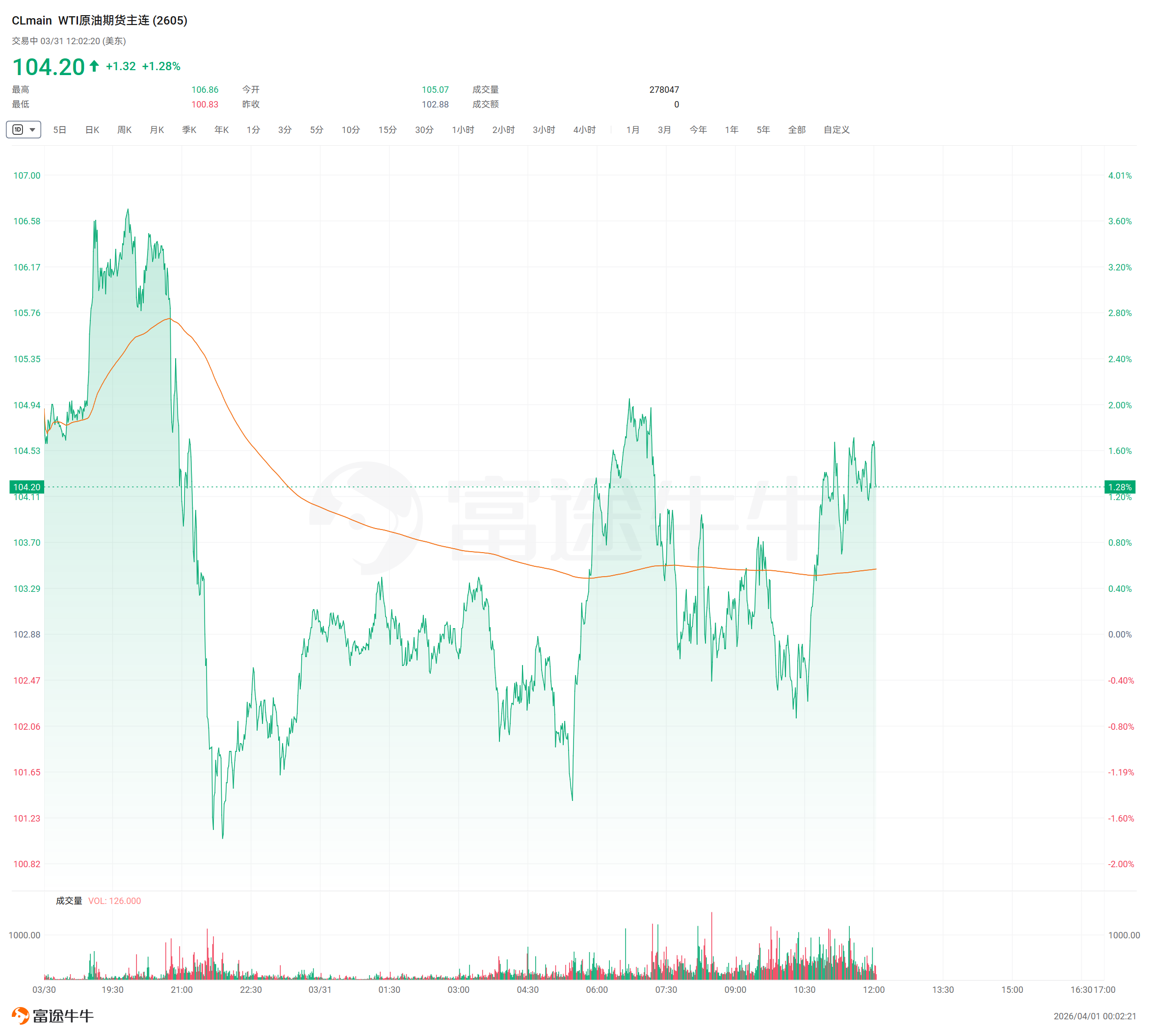
Meanwhile, high-yield energy bonds rose by 2%, benefiting from a substantial increase in oil prices. Brent crude oil prices broke through $100 per barrel this quarter and are currently hovering around $110. Since January 1, Brent crude oil has risen by 78%, while WTI crude oil has increased by approximately 80%.
Vishwas Patkar, head of Morgan Stanley’s U.S. credit strategy team, stated that energy is the only sector where spreads have narrowed this year, while the widening of spreads in the technology sector has far exceeded the overall index.
Limited spread widening, incomparable to 2022.
Despite some fluctuations in market sentiment, the spread between high-yield bonds and U.S. Treasuries remains at around 300 basis points, which Patkar described as still close to 'historical lows.' He stated:
I wouldn't call it a full-blown panic, but spreads have indeed widened over the past few weeks. A certain risk premium has been priced into the market, but overall it's an orderly reset rather than a panic-driven one.
Short from Barclays further pointed out that the main cause of this quarter’s negative returns lies in the fluctuations of U.S. Treasury yields rather than a significant widening of credit spreads.
Looking back at 2022, the annual return rate of junk bonds fell by 11.1%. At that time, surging demand post-pandemic and oil price shocks triggered by the Russia-Ukraine conflict jointly drove up inflation. The Federal Reserve raised interest rates cumulatively by over 400 basis points during the year, creating a dual blow to high-yield bonds.
Bob Kricheff, portfolio manager at Shenkman Capital Management, stated that the market in 2026 is entirely different from 2022. The current financing market is functioning normally, and healthy capital market access has persisted for quite some time, which was not the case in 2022.
Default risks remain controllable, and market concerns may be overstated.
Multiple market participants expressed relatively optimistic views on the current situation. Dave J. Breazzano, co-founder of Polen Capital Credit LLC, noted that by the end of last year, market pricing had largely reflected tighter spreads. Unease stemming from private credit, artificial intelligence, and oil price volatility collectively pushed quarterly returns into negative territory. However, the likelihood of large-scale defaults in the near term remains low, with no significant credit quality issues currently observed in the public junk bond market.
Breazzano added that concerns about inflation and artificial intelligence causing major disruptions to the high-yield bond market are somewhat exaggerated. Current market volatility should gradually dissipate without causing long-term material impacts.
Regarding interest rate expectations, bond traders had previously priced in nearly a 50% probability of a Federal Reserve rate hike this year, but last week they shifted their bets toward rate cuts. Investors and analysts widely expect the Fed to maintain stable or moderately accommodative interest rates within the year, providing some support for the junk bond market.
Editor/Liam