
Source: Xue Tao's Macro Notes
Author: Song Xuetao / Zhao Honghe
Time is not on Trump’s side, and he needs to make a choice in the next one to two weeks. Advancing may not solve the problem but could lead to escalation; retreating would sacrifice political reputation and national interests, yet with half a year left before midterm elections, there is still time to repair his approval rating. The TACO option remains on the table, and the situation will gradually become clearer.
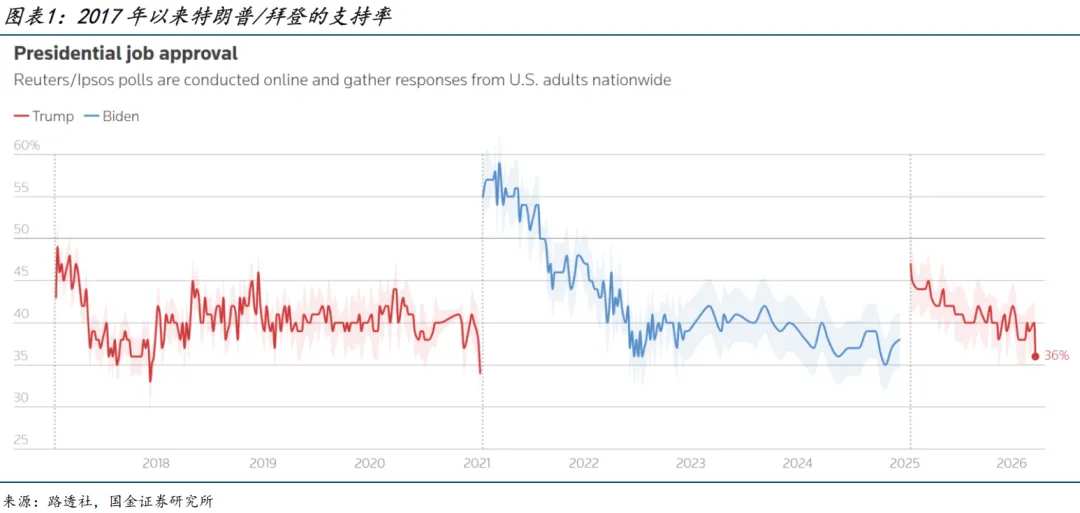
Time is not on Trump’s side. Rising oil prices have severely impacted Trump’s election prospects. The latest Reuters/Ipsos poll shows that Trump’s approval rating has plummeted to 36%, hitting a new low since the start of his second term, matching levels seen prior to the Republican rout in the 2020 election and the Democratic rout in the 2024 election. Polymarket indicates a 50% probability that Republicans will suffer a sweeping defeat in this year’s midterms, and losing the House of Representatives is almost certain. Every day the war continues and the strait remains blocked, the crude oil supply-demand gap increases by tens of millions of barrels, driving oil prices higher over time and putting Trump at an increasingly disadvantageous position.
 At this crossroads, Trump faces a difficult decision. Retreating gives him time to recover his approval rating through other issues, but it would also result in significant losses to national interests, damaging key components of the dollar cycle such as petrodollars and artificial intelligence investment, while significantly reshaping the geopolitical landscape in the Middle East. Advancing not only risks greater casualties for U.S. troops and further damage to Trump’s political reputation but, more importantly, could escalate tensions, draw more countries into the conflict, prolong the war, and cause greater disruptions to global shipping, energy prices, and supply chains.
Nevertheless, Trump must quickly take steps toward breaking the deadlock, whether through TACO, negotiations, or military action. The next one to two weeks will be a critical phase.
TACO allows him to extricate himself from the current situation quickly, but at the cost of significant damage to his personal political reputation and national interests. Early in the conflict, when Gulf nations were eager to mediate, Trump’s withdrawal might have been seen as a timely and prudent move. Now, however, Gulf states are increasingly wary of Iran and hope the U.S. will lift the blockade of the strait and weaken Iran’s power. A direct withdrawal would shatter trust between the two sides, challenge the status of the petrodollar, and potentially render the trillions of dollars in AI investments promised by Gulf nations worthless. If this effect spreads to U.S. stock markets and the broader economy, it could trigger a chain reaction, essentially damaging the large-scale dollar circulation system. Additionally, withdrawing means Iran would control the Strait of Hormuz, and America’s geopolitical influence in the Middle East would vanish like a bombed-out military base.
The advantage is that Trump can quickly disengage from this quagmire. With half a year remaining until the midterms, public pain from high oil prices will diminish over time, and he will still have opportunities to rebuild his support through issues like Cuba, visits to China, stimulus payments, and interest rate cuts, avoiding a rout.
However, after World War II, successive U.S. presidents invested substantial resources to establish core interests in Europe, East Asia, and the Middle East. Although the shale oil revolution has somewhat diminished the Middle East’s importance to the U.S., for Trump, assuming this historical responsibility requires both courage and some rhetorical “art of winning.”
Negotiations can resolve the issue at a lower cost, but the likelihood of success is slim unless a major third-party nation intervenes. Within the Arab world, the mindset of Gulf states has shifted with the evolving battlefield dynamics, making mediation unlikely. Pakistan, which lost strategic value after the Biden administration’s 2021 Afghanistan withdrawal, has grown increasingly distant from the U.S. This mediation effort presents an opportunity to rebuild ties, and given Pakistan’s historically good relations with Iran, it has played a key role in recent communications. The recent four-nation talks involving Saudi Arabia, Turkey, Egypt, and Pakistan may serve as a prelude to U.S.-Iran negotiations.
However, fundamentally, there is a clear divergence in how both sides perceive the state of the conflict. From the U.S. perspective, Iran’s navy and air force have been neutralized, its military infrastructure largely destroyed, and its population is suffering immensely, giving the U.S. the upper hand, hence Iran should accept the '15-point plan.' In Iran’s view, the U.S. is incapable of securing the Strait of Hormuz, high oil prices will fuel anti-war sentiment, and time is on their side; thus, any proposal must ensure that war cannot recur and must involve toll collection on the strait, essentially asserting control.
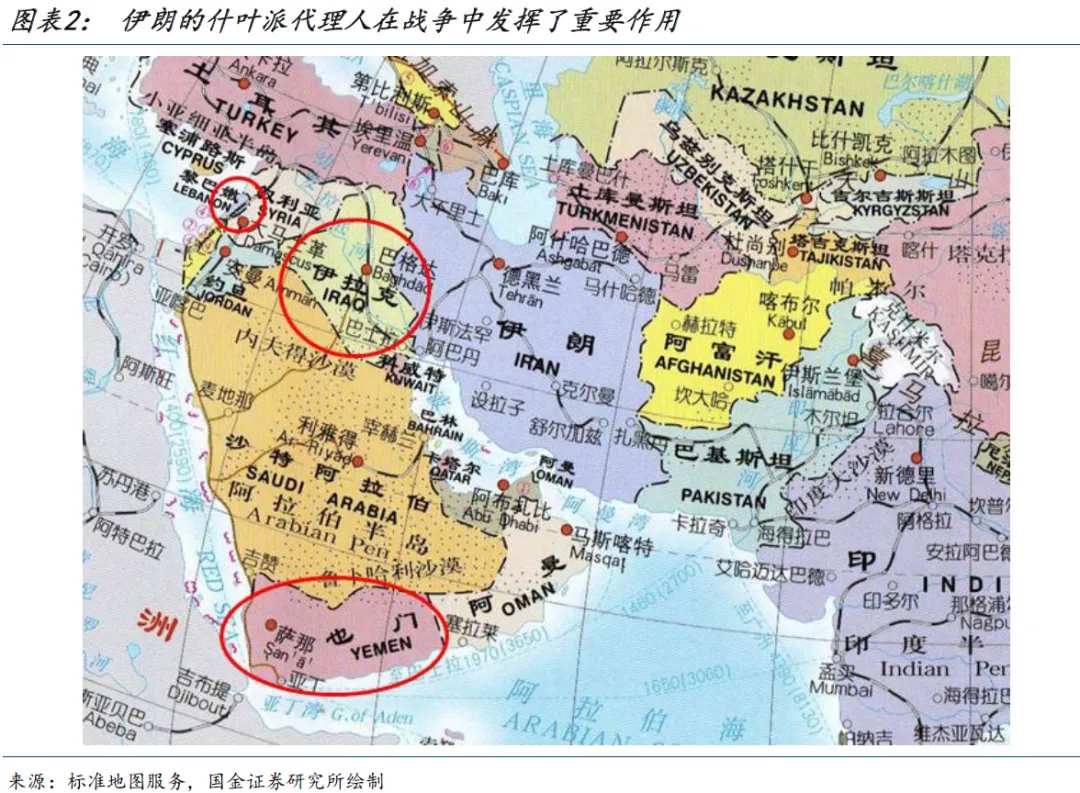
In terms of the provisions, it is difficult for Iran to accept the '15-point' plan based on pre-war templates. In the short term, the war continues, with Hezbollah in Lebanon, Iraqi militias, and Yemen’s Houthis playing significant roles across multiple fronts, making it impossible to discuss abandoning support for proxies. In the medium term, missiles are Iran’s key deterrent against Israel, preventing it from taking rash actions, so discussing limitations on missile programs is out of the question. In the long term, if any agreement fails to constrain future invasions, nuclear armament might be the only solution. Therefore, the major concessions Khamenei made pre-war regarding nuclear weapons, missiles, and proxies have now become matters of existential importance.
As for Trump’s favored tactic of maximum pressure, it has become less effective. Following the assassinations of highly respected figures like Khamenei and Larijani, Iran's military has entered a somewhat 'decentralized' state. This allows Iran to maintain military operations but makes it difficult for anyone to wield the influence needed to negotiate comprehensively with the Americans.
Overall, those skilled in warfare achieve success without spectacular feats. Trump’s relentless pursuit of Hollywood-style spotlights and reality-show drama led him to abandon the generous pre-war conditions proposed by Khamenei, which now seem unattainable in any form.
A just cause ensures smooth progress. However, this war was initiated by Trump and his small circle under circumstances where the Middle East situation did not directly impact U.S. national interests. Congress was not informed beforehand, nor was adequate logistical mobilization conducted. Moreover, this marks the second instance of feigning negotiations to launch a surprise attack, garnering limited support. Consequently, the current deployment of two Marine Corps units, one airborne division, and potentially 10,000 Army troops is nearing Trump’s operational limits. This implies that options for amphibious assaults are severely constrained. Whether clearing enriched uranium, occupying islands in the Strait of Hormuz, or seizing Kharg Island, all carry high casualty risks and could trigger a chain reaction escalating the situation.
If the choice is to clear enriched uranium, the advantage lies in resolving the issue without direct confrontation, particularly addressing Israeli concerns. The downside is the immense difficulty. During the 1980 Tehran hostage crisis, President Carter launched Operation Eagle Claw to rescue hostages deep within Iran, but the mission failed, resulting in lost soldiers and aircraft, contributing to Carter’s loss in the 1980 presidential re-election campaign and Reagan’s rise to power. Enriched uranium is buried in three underground nuclear facilities bombed last summer, posing a challenge akin to repeating Operation Eagle Claw thrice, an undertaking of considerable difficulty. Should the mission fail, Trump’s political reputation would suffer greatly, and all plans would need to be restarted.
If the choice is to occupy islands in the strait, the goal would be to control the strait and restore navigation. The challenge lies in the fact that even capturing the islands may not guarantee restored navigation. Instead, the risk remains that the war could evolve into a protracted conflict or attrition warfare, potentially expanding the scope of engagement.
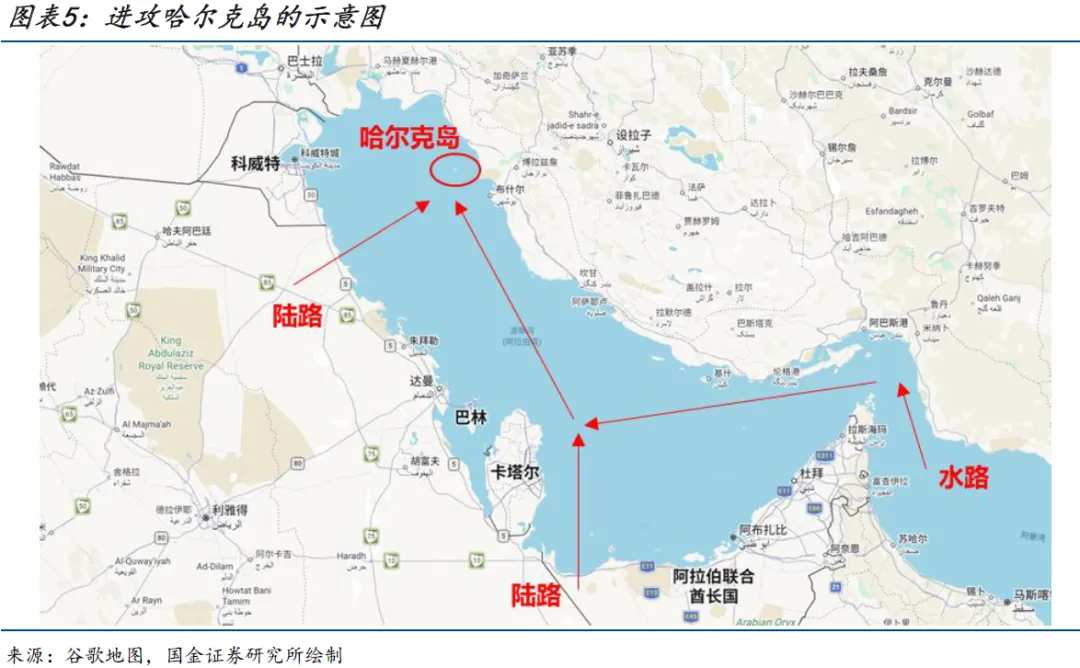
The key to controlling the strait lies in several critical islands on its western side, including Qeshm Island, Abu Musa Island, Greater and Lesser Tunb Islands. Approaching via sea route exposes forces to Iranian territory when passing the eastern side of the strait, facing potential attacks. A land approach, while allowing direct access to the western side, would require assistance from Gulf nations like the UAE, possibly using amphibious vessels, which Iran might interpret as interference. Recently, the Iranian parliament spokesperson stated, 'Intelligence indicates Iran’s adversaries are planning to occupy an Iranian island with the support of a regional country. If any action is taken, Iran will strike critical facilities of that regional country.' Considering the UAE’s territorial disputes with Iran over Abu Musa Island and Greater/Lesser Tunb Islands, the likelihood of being drawn into the conflict exists.
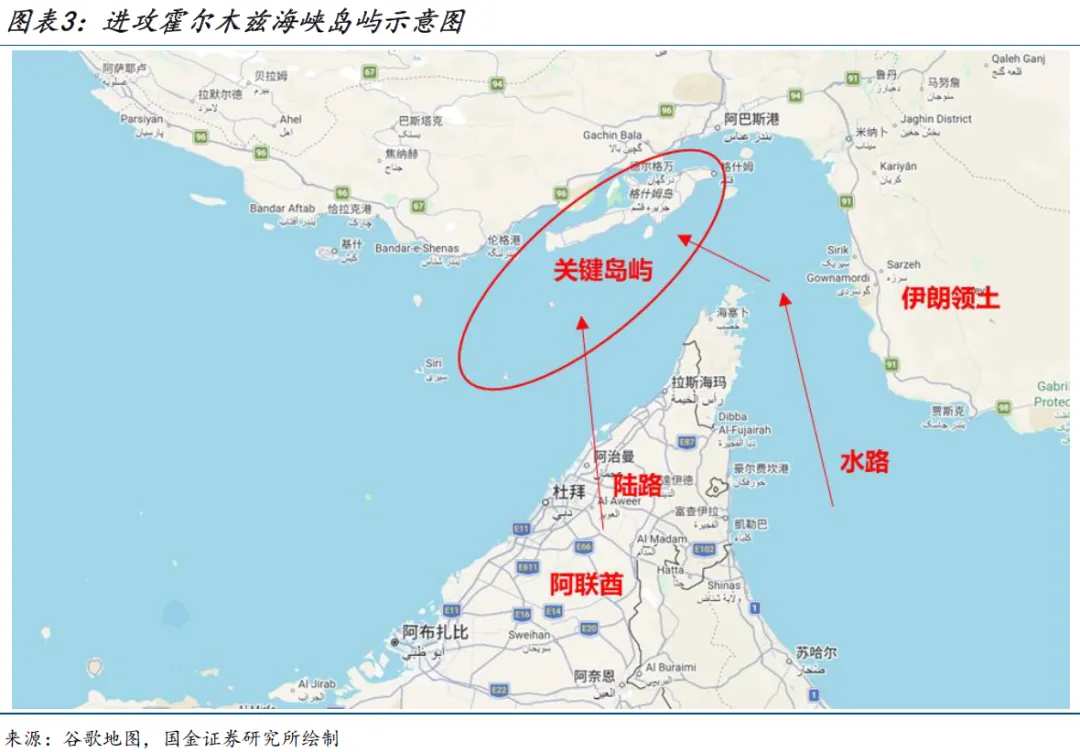
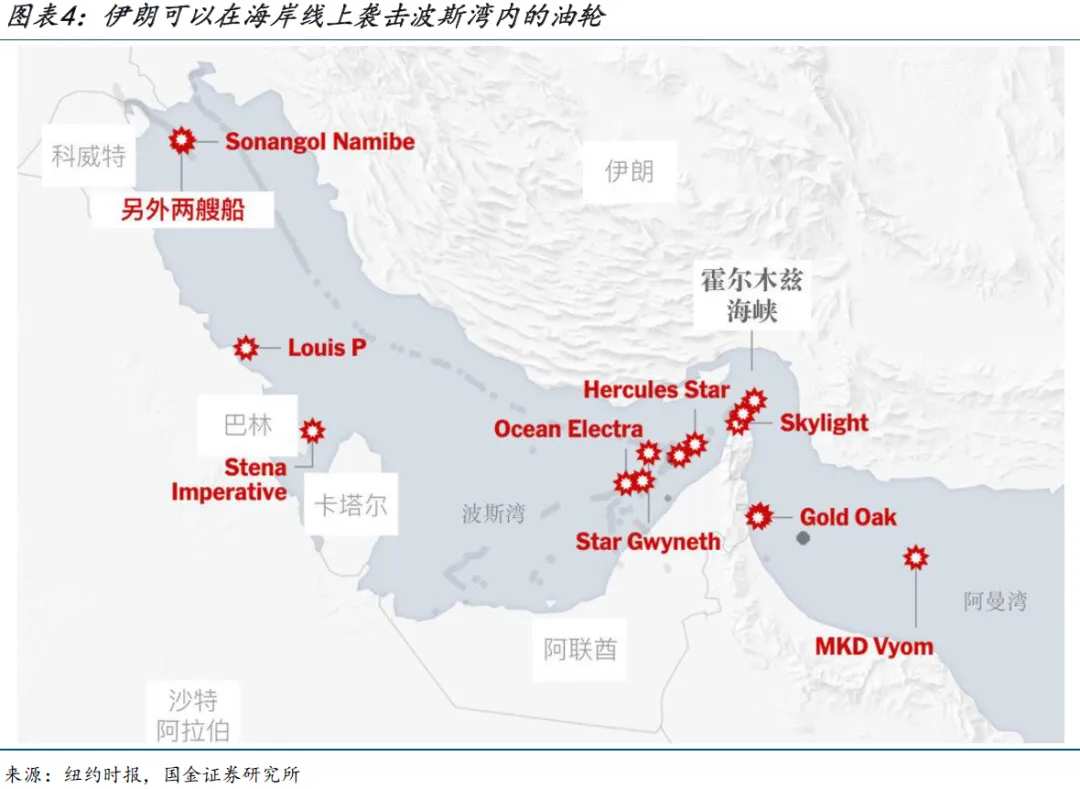
More challenging still, even if the strait is controlled, it merely opens a gateway. Tankers need to enter the Persian Gulf for refueling. With over 1,500 kilometers of coastline along the Persian Gulf, it is unlikely for the U.S. military to establish defenses along such an extensive stretch. Meanwhile, Iran can continue to effectively block the waterway by targeting tankers within the Persian Gulf near its coast. Additionally, for U.S. forces landing on the islands, they will face missile/drone attrition, complicated logistics resupply, and higher casualty risks if choosing to retreat. The entire process could take over a month, during which shipping through the strait will be entirely disrupted, creating a new supply-demand gap given Iran’s previous daily crude exports of nearly 2 million barrels.
If the choice is to seize Kharg Island, it would control Iran’s oil lifeline, forcing it into ceasefire negotiations. The difficulty lies in the complexity of offensive operations and the possibility of further expanding the conflict’s scope.
Halk Island is located deep within the Persian Gulf. If an amphibious assault via waterways is chosen, capturing the Strait of Hormuz becomes a precondition. If airborne operations are used, only 2,000 soldiers from the 82nd Airborne Division are currently available, making the tasks of seizing and holding the island even more challenging. A land route would require transiting through the territories of Gulf nations such as the UAE or Saudi Arabia, which carries the risk of involving more countries and escalating tensions. Additionally, Halk Island is densely populated with energy infrastructure such as oil storage tanks and pipelines. If these facilities are damaged during an offensive, Iran has threatened to retaliate by attacking neighboring countries’ energy infrastructure.
Therefore, achieving de-escalation through the occupation of Halk Island would require not only a 'clean' military operation by U.S. forces that secures the island without damaging its energy facilities but also Iran's willingness to engage in ceasefire negotiations after losing the island, rather than prolonging the conflict through missile and drone attacks. The outcome remains uncertain. In fact, Carter considered occupying Halk Island in 1980 to force Iran into negotiations but ultimately abandoned the idea due to concerns over casualties and an energy crisis.
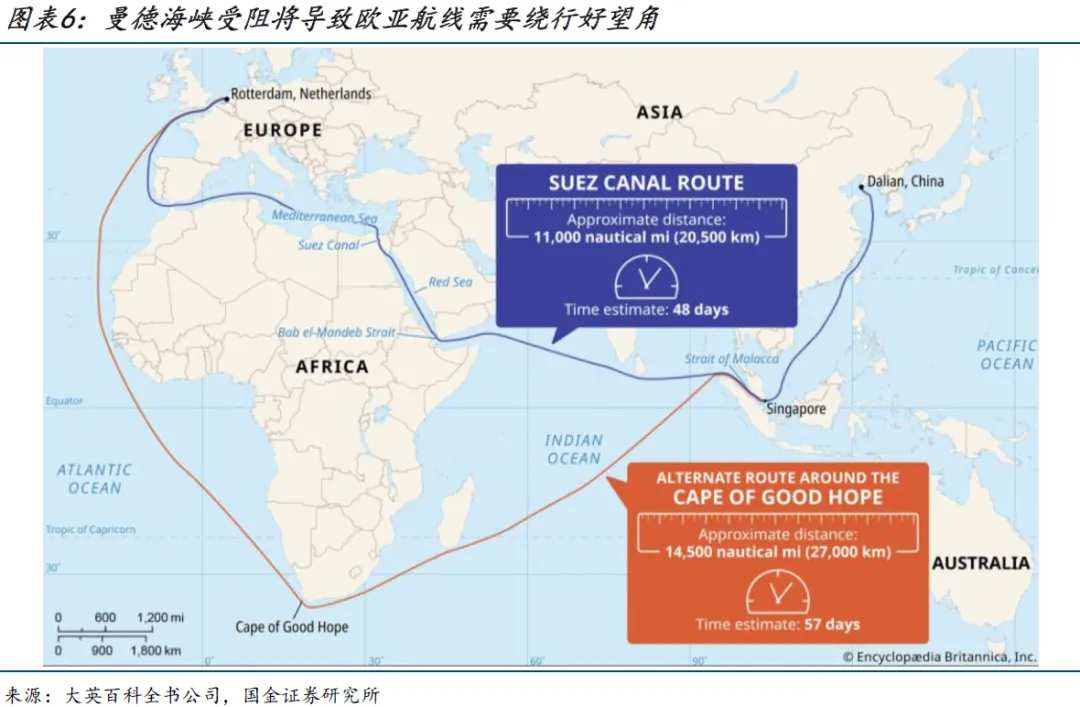
Regardless of the form of amphibious assault, there is a possibility of triggering the involvement of the Houthis. If the Houthis attempt to blockade the Bab-el-Mandeb Strait, it would mean that the shipping route connecting Europe and Asia via the ‘Gulf of Aden-Bab-el-Mandeb Strait-Red Sea-Suez Canal-Mediterranean,’ which accounts for 12% of global maritime trade, could face disruption. Shipping would need to be rerouted around the Cape of Good Hope in Africa, further driving up freight rates, prices, and reducing supply chain efficiency.
In summary, given the current situation, time is not on Trump’s side. Considering the 60-day limit on military action authorization, his planned visit to China in mid-May, and the arrival of a second Marine unit in the Middle East within two weeks, he may make a decision within the next one to two weeks, at which point the situation will gradually become clearer. Advancing might fail to resolve the issue and instead lead to a protracted conflict and escalation; retreating, though resulting in a loss of political reputation and national interests, still leaves him six months until the midterm elections. After stabilizing oil prices, he would still have time to restore his approval ratings through issues such as Cuba, visiting China, issuing stimulus payments, or cutting interest rates, avoiding a potential rout. The TACO option remains on the table, and this is still Trump’s war alone.
Risk Warning
The geopolitical landscape in the Middle East is highly intricate, and scenarios beyond the aforementioned analyses could unfold, leading to unexpected developments. The current situation remains highly uncertain, potentially causing fluctuations in domestic economic planning and capital markets.
Editor/Melody