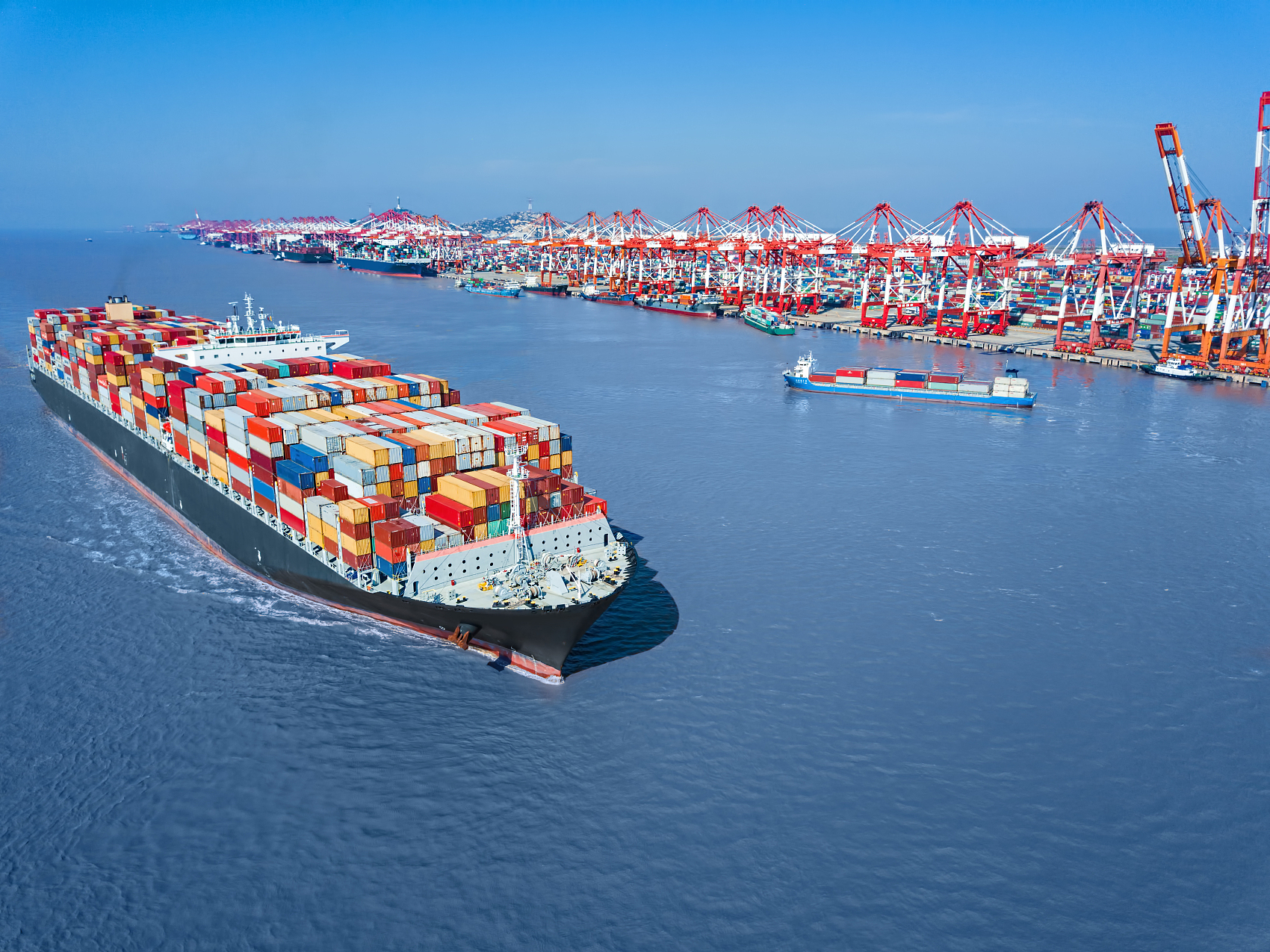
Blockage of the Strait of Hormuz has caused a sharp surge in shipping costs: Vessel war risk premiums have soared from 0.2%-0.3% to 1%-3%, with some high-risk routes reaching 3%-7.5%. Freight rates have surged 11-12 times, and cargo insurance premiums have risen from 0.03% to nearly 1%. The叠加of fuel costs and rerouting expenses is comprehensively driving up global supply chain costs.
The escalation of conflicts in the Middle East and the ongoing obstruction of the Strait of Hormuz are transmitting profound impacts to global supply chains through a dual surge in insurance costs and freight rates.
According to CCTV reports, Neil Roberts, head of marine and aviation business at Lloyd's of London, stated that after the escalation of the conflict, the war risk insurance premiums for ships have risen rapidly. The specific increase in ship insurance premiums depends on the type of vessel and particular circumstances; however, insurance costs represent only a small portion of shipping operational expenses. Shipping companies also need to consider freight rates, which have already surged 11 to 12 times.
 This impact has spread from major shipping companies to small and medium-sized enterprises in the United States. According to reports by the Associated Press, small business owners such as footwear designers, pistachio growers, and gardening suppliers are facing triple pressures of import-export blockages, skyrocketing costs, and shrinking demand.
Premiums have surged dramatically, disrupting traditional pricing models.
Neil Roberts noted that prior to the Middle East conflict, general quotes for shipping insurance were approximately 0.2% to 0.3% of the vessel's value; following the escalation of the conflict, premiums quickly increased to 1% to 3%.
MSN cited data from Lloyd’s indicating that premiums for some high-risk routes have climbed to between 3% and 7.5%, while traditional war risk pricing typically ranges from 0.1% to 0.25%. For instance, for a large tanker valued at $200 to $300 million, an increase in premiums from 0.25% to 3% means the insurance cost for a single voyage will soar from approximately $600,000 to $7 to $9 million — a leap sufficient to completely rewrite the economic logic of the voyage.
Freight rates combined with rerouting costs have intensified pressure across supply chains.
Insurance costs represent only a part of the rise in shipping operational expenses. Neil Roberts pointed out that shipping companies must also bear freight charges, fuel costs, and delay costs resulting from rerouting vessels.
According to MSN, an increasing number of shipowners are opting to bypass high-risk waters by taking alternative routes such as around the Cape of Good Hope. This significantly extends travel time while further driving up fuel costs.
Cargo war risk insurance premiums have also risen sharply. MSN reported that cargo premiums in affected regions have surged from about 0.03% to nearly 1%, directly raising the landed costs of crude oil, liquefied natural gas, and high-value manufactured goods. This forces importers and exporters to renegotiate contracts or compress profit margins.
Small businesses are the first to bear the brunt as a "perfect storm" has taken shape.
According to reports by the Associated Press, small and medium-sized enterprises (SMEs) in the United States are experiencing direct impacts from the conflict.
Nichols Farms, a pistachio business in California that has been operated across four generations, relies on exports for 50% of its revenue, primarily shipping to Europe and the Middle East. Following disruptions in the Strait of Hormuz, supplies to Saudi Arabia, Iran, and the United Arab Emirates were halted, leaving approximately $5 million worth of goods stranded at sea. Additionally, a horticultural supplier in Kansas City stockpiled fertilizers in advance to counteract price hikes, while an electronics store owner in Chicago struggled with rising oil prices.
Brandon Fried, Executive Director of the Airforwarders Association, pointed out that the combination of rising costs, altered shipping routes, and tightened capacity has created a "perfect storm" for small businesses. Business owners generally believe that although the current impact has not yet surpassed the supply chain crisis during the pandemic, prolonged conflict over several months could lead to levels of disruption approaching those seen at that time.
Structural risks emerge as markets seek coping mechanisms.
The surge in insurance premiums may foreshadow a structural shift. Increasing geopolitical fragmentation and new war technologies are complicating risk assessments, rendering traditional actuarial models inadequate. Estimates suggest that premiums for the highest-risk routes could approach 10%—a level that would make certain routes commercially unviable without state support or naval protection.
To address this, governments and industry bodies, including those in India, are exploring the establishment of domestic war risk insurance pools to ensure the accessibility and affordability of coverage. Neil Roberts emphasized that the availability of insurance coverage is often more critical than its price—without insurance, banks typically do not allow ships to set sail. This implies that insurers' willingness to underwrite will directly determine whether global trade can function normally.
Editor/Rocky